Who decides what’s misinformation? U.N. pandemic declaration takes aim at vaccine hesitancy
10/15/2026 / By Cassie B.
- The United Nations General Assembly adopted a nonbinding pandemic declaration by a 153-3 vote on October 12.
- The U.S., Israel and Argentina voted no, with the U.S. objecting to gender ideology, equity language and sovereignty concerns.
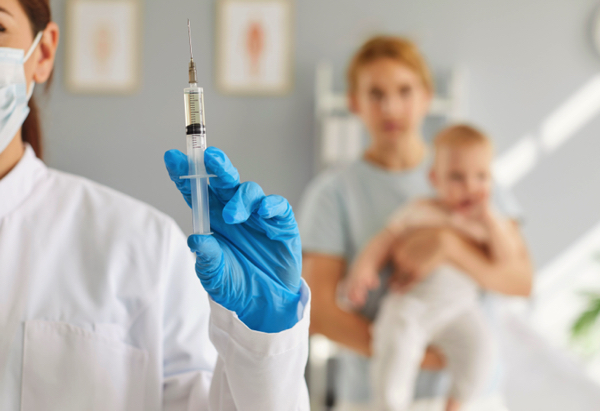
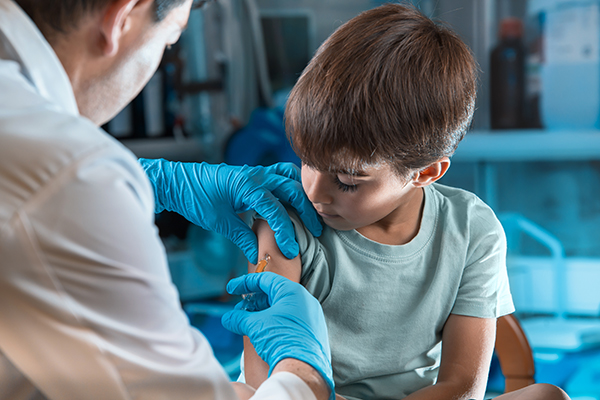
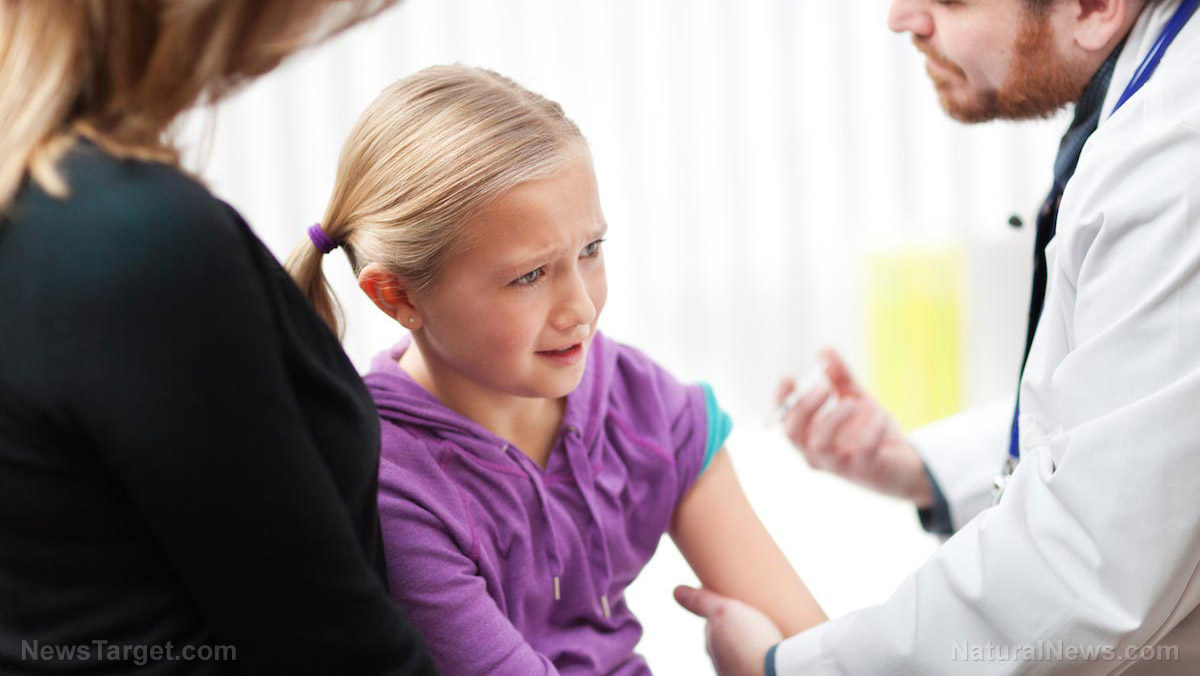
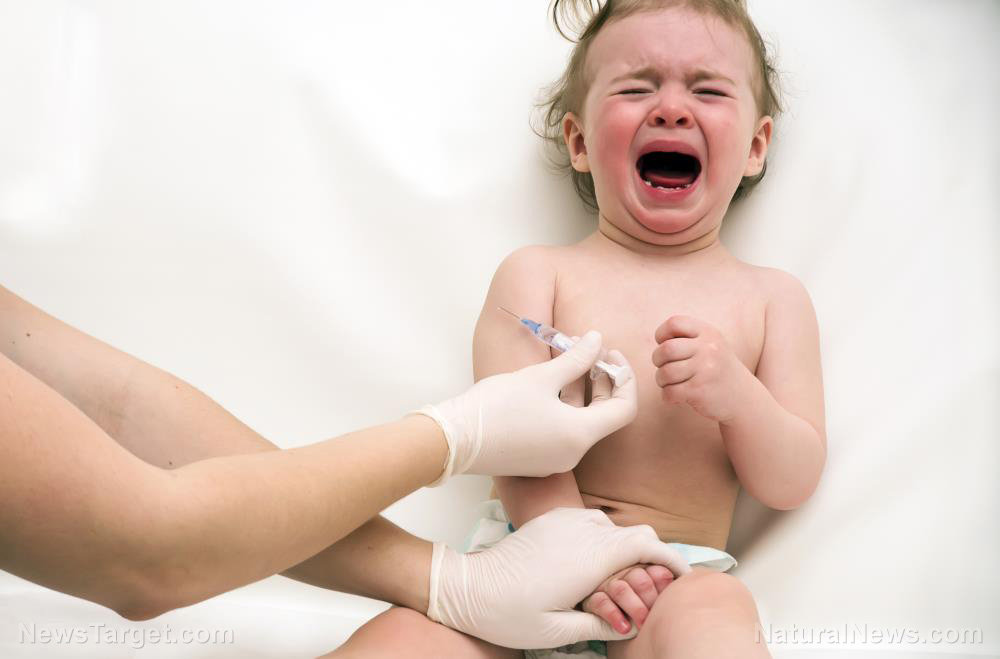
- The declaration urges countries to counter health misinformation, including vaccine hesitancy.
- Health freedom advocates warn it could open the door to censorship, surveillance and fast-tracked vaccines.
- A pending pathogen-sharing deal could clear the way for a binding World Health Organization Pandemic Agreement by May 2027.
The United Nations General Assembly appointed itself the global referee on what you can believe about vaccines and pandemics, adopting a sweeping political declaration on October 12 by a 153-3 vote that calls on nations to counter “misinformation” and vaccine hesitancy. However, the United States joined Israel and Argentina in voting no, signaling deep divides over who should call the shots on public health: voters at home or bureaucrats abroad.
The 64-clause, nonbinding document emerged after objections from the Trump administration and a few other governments blocked consensus and forced a vote. The U.S. delegation objected to reproductive health language it said failed to exclude “harmful gender ideology,” which it said undermines parental authority.
The U.S. also balked at the text’s repeated references to equity and its nods to the Pandemic Agreement and International Health Regulations, which the U.S. said would commit countries to agreements they never joined. Italy also challenged wording on disinformation during earlier talks but ultimately voted yes, while New Zealand and Paraguay abstained. Critics warn the declaration sets the stage for expanded surveillance, censorship, and fast-tracked vaccines — all under the guise of global health security.
Critics call the declaration toothless but troubling
The declaration, which David Bell, a public health physician and senior scholar at the Brownstone Institute, dismissed as an empty bureaucratic gesture, still backs the WHO’s controversial Pandemic Agreement and flags a $15 billion annual gap in pandemic preparedness funding. Bell warned that the broader push diverts resources toward “saleable commodities for rare but very profitable international outbreaks.”
Valerie Ferrell, policy director of Stand for Health Freedom, likened the document to an unholy political vow renewal that reaffirms the U.N.’s fondness for “begging for funds, and hunting and killing ‘misinformation’ so people are kept in the dark.”
The U.S. withdrawal from the WHO, ordered by President Trump in January 2025 and effective this year, further underscores the administration’s refusal to hand over public health decisions to international bodies.
Paragraph 57 targets vaccine hesitancy as ‘misinformation’
The most contentious line, paragraph 57, asks member states to counter “health-related misinformation, disinformation, including countering vaccine hesitancy” and to build trust in public health systems. Epidemiologist Nicolas Hulscher of the McCullough Foundation said the provision should alarm anyone who values “scientific freedom, informed consent, and the right to question public-health authorities.”
Opponents also bristle at the text’s embrace of “infodemic management” and a whole-of-government, whole-of-society approach to pandemics, warning it could bring back the lockdowns, mandates, and censorship seen during COVID.
Pathogen-sharing talks could produce a binding deal
Beyond the nonbinding declaration, an annex on pathogen access and benefit-sharing (PABS) remains the true prize. Under the proposed system, participating nations would hand over pathogen samples and genetic sequences and receive a cut of whatever vaccines, treatments, and diagnostics result. Talks have stalled over intellectual property fights between wealthy and developing nations.
Researcher James Roguski told The Defender that PABS is the “main event.” The Pandemic Agreement can’t open for signature until the annex is complete, and Roguski said talks resume next month. If negotiators strike a deal and the World Health Assembly approves the agreement in May 2027, he said, the next U.S. administration could sign on or rejoin the WHO.
Trust in public health isn’t manufactured by drowning out doubters. It’s earned by telling people the whole truth, side effects and all. And with drugmakers lining up to turn shared pathogen samples into profitable vaccines, everyone at the table seems to have something to sell except the skeptics.
Sources for this article include:
Submit a correction >>
Tagged Under:
awakening, big government, Big Pharma, Censored Science, Censorship, Globalism, health freedom, Liberty, medical violence, misinformation, outbreak, pandemic, pharma fraud, rigged, science deception, UN, vaccine hesitancy, vaccine wars, vaccines
This article may contain statements that reflect the opinion of the author
RECENT NEWS & ARTICLES