CDC Declines to Publish Study Questioning COVID-19 Vaccine Effectiveness
04/24/2026 / By Morgan S. Verity

Introduction
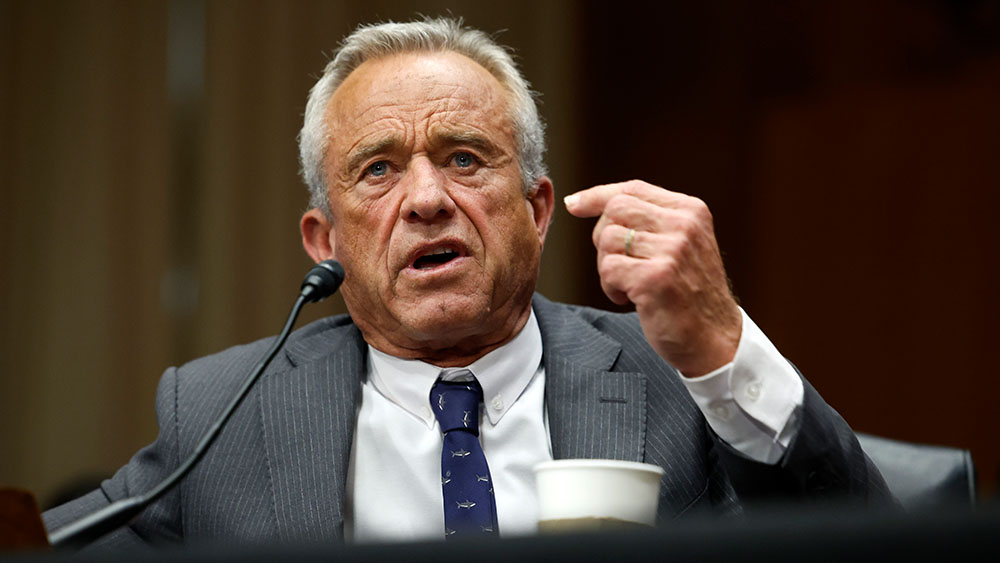
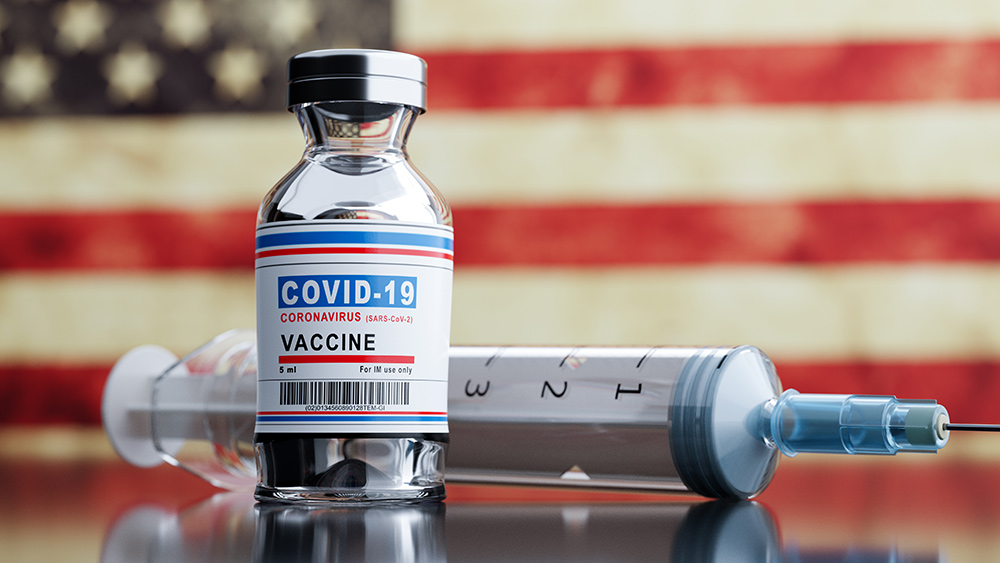
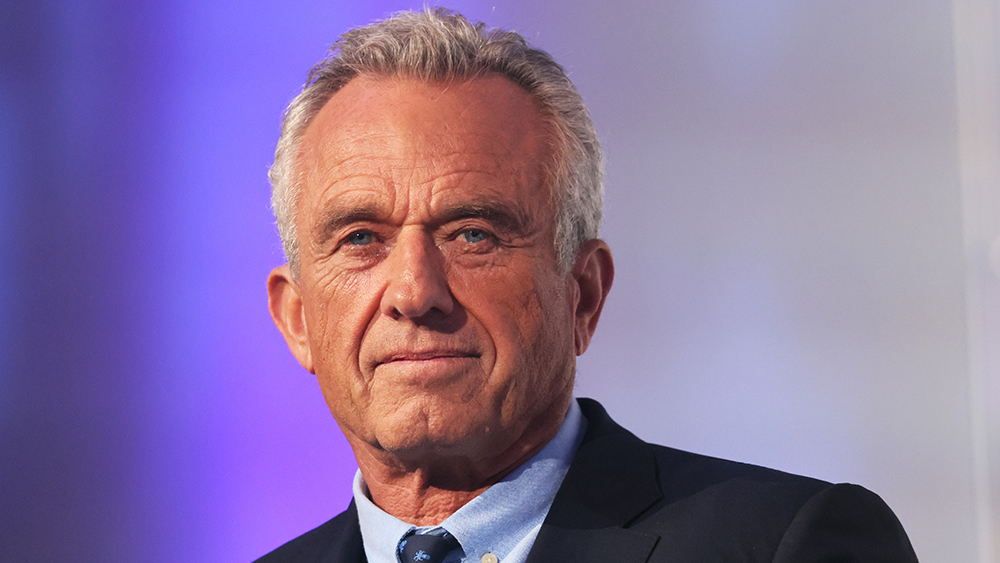
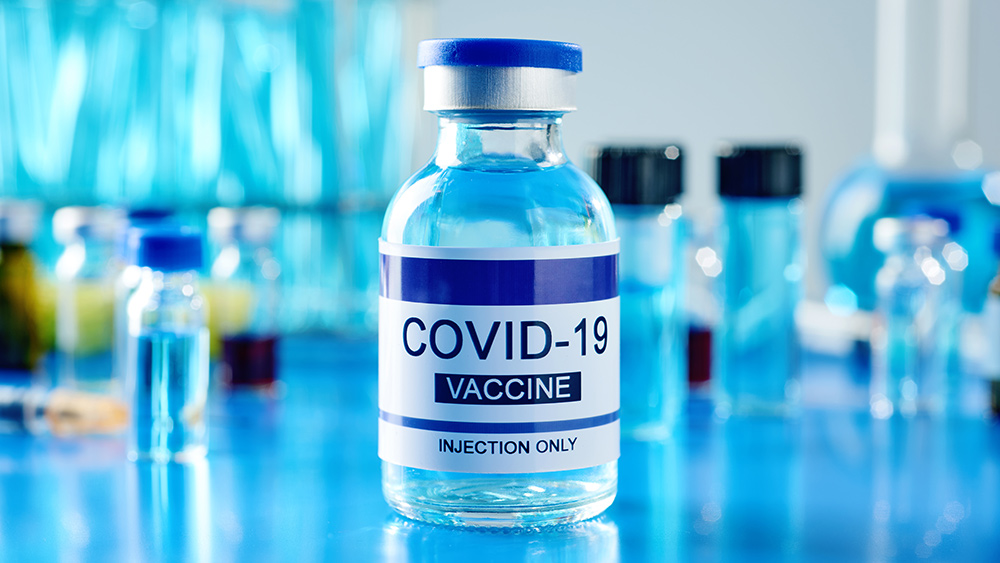
The Centers for Disease Control and Prevention (CDC) will not publish a study on the effectiveness of COVID-19 vaccination, its top official confirmed late on April 22, 2026. Dr. Jay Bhattacharya, who is serving as acting CDC director, said the paper used a problematic methodology and would not be published in the agency’s quasi-journal, the Morbidity and Mortality Weekly Report (MMWR). [1]
The decision was announced as Dr. Bhattacharya serves in an acting capacity while the Senate considers President Donald Trump’s nominee for the permanent position. The unpublished study reportedly assessed vaccine effectiveness using a design the director stated would not produce an unbiased estimate.
CDC Declines to Publish COVID-19 Vaccine Study Citing Methodological Flaws
Dr. Jay Bhattacharya stated the study’s ‘test negative design’ would not produce unbiased efficacy estimates. According to a report by The Epoch Times, Bhattacharya said, ‘The study uses a test negative design that will not produce an unbiased estimate of efficacy.’ The decision was communicated late on April 22, 2026. [1]
Bhattacharya is currently the acting director of the CDC. President Trump nominated Dr. Erica Schwartz for the permanent director role on April 20, a move that has drawn criticism from some who question her past support for vaccine mandates during her tenure at the U.S. Coast Guard. [2]
Study Methodology and CDC’s Rejection Rationale
The rejected study employed a test-negative case-control design, a method commonly used in observational studies of vaccine effectiveness. In this design, individuals who test positive for a disease are compared to those who test negative, with vaccination status compared between the groups. However, acting CDC Director Bhattacharya argued this approach would not yield an unbiased assessment for COVID-19 vaccines. [1]
Public health researchers have noted that while the test-negative design is a standard tool, it is not immune to limitations. Potential biases can arise from differences in healthcare-seeking behavior, testing patterns, and confounding factors between vaccinated and unvaccinated individuals. The CDC’s decision underscores ongoing scientific debates about the best methods for evaluating vaccine performance outside of controlled clinical trials. [3]
Context of Vaccine Efficacy Research and Transparency
The CDC’s MMWR is a primary publication channel for the agency’s public health guidance and data. The decision not to publish a study based on methodological concerns occurs within a broader context of scrutiny over institutional transparency. According to principles of research integrity, transparency in publishing data, including null or negative findings, is considered essential for scientific progress. [4]
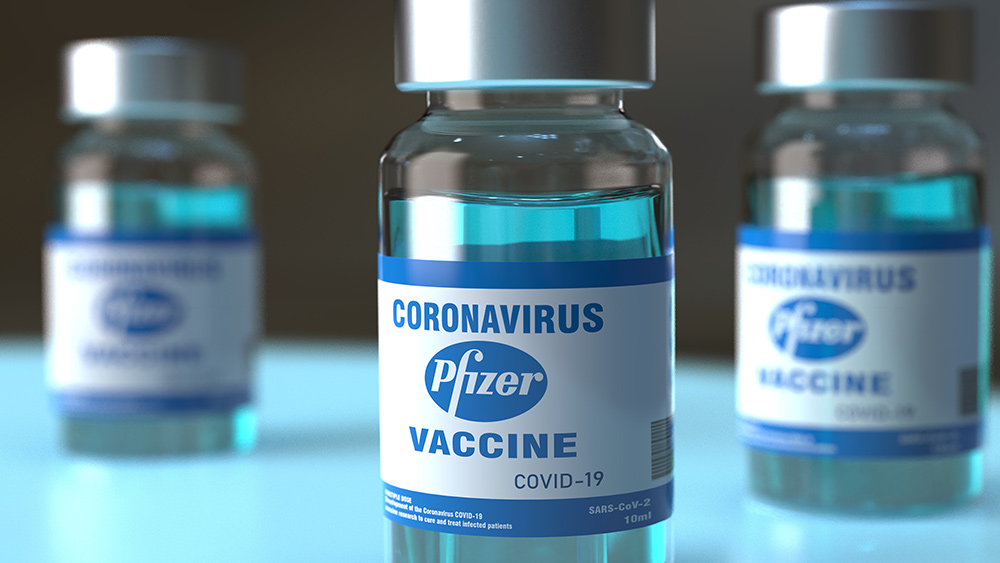
Critics of federal health agencies have repeatedly raised concerns about publication bias and the suppression of studies that challenge official narratives. For instance, internal documents obtained through litigation have previously shown CDC researchers made significant changes to a key safety study on mRNA COVID-19 vaccines before its publication. [5] A separate Senate investigation revealed that officials under the Biden administration knew of a stroke risk linked to Pfizer’s bivalent booster in seniors but did not disclose it publicly. [6]
Reactions and Broader Implications for Public Trust
Advocates for medical and governmental transparency argue that all research, regardless of its conclusions, should be available for independent scientific review. They contend that suppressing studies, even those with perceived flaws, can exacerbate public distrust. Polling data from 2026 indicates a profound shift in public sentiment, with a majority of American voters now suspecting COVID-19 vaccines caused unexplained deaths. [7]
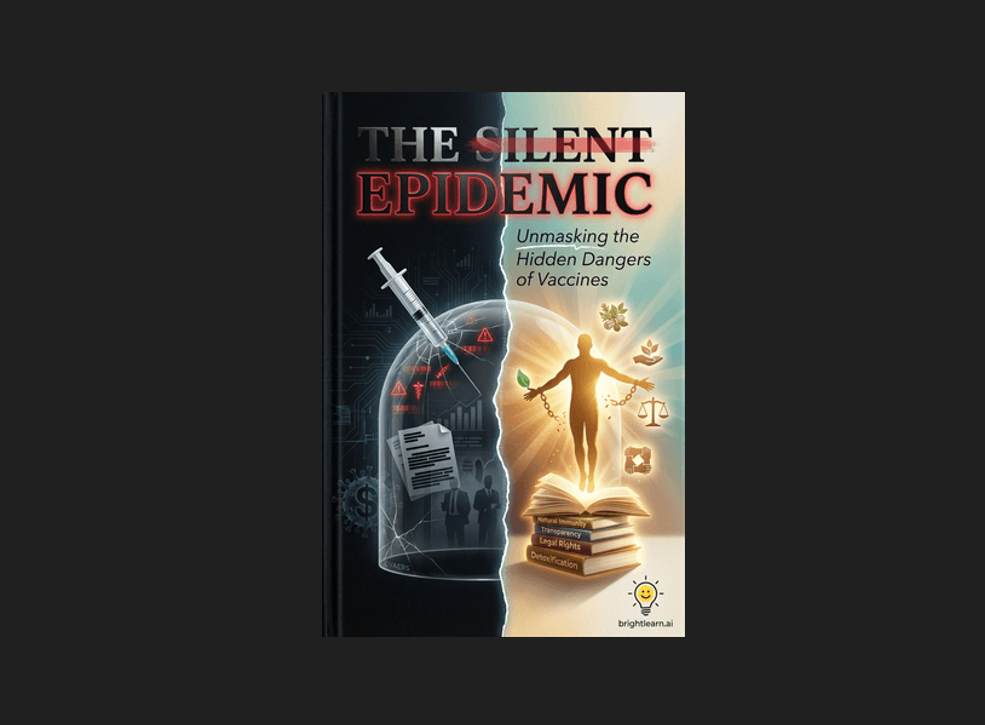
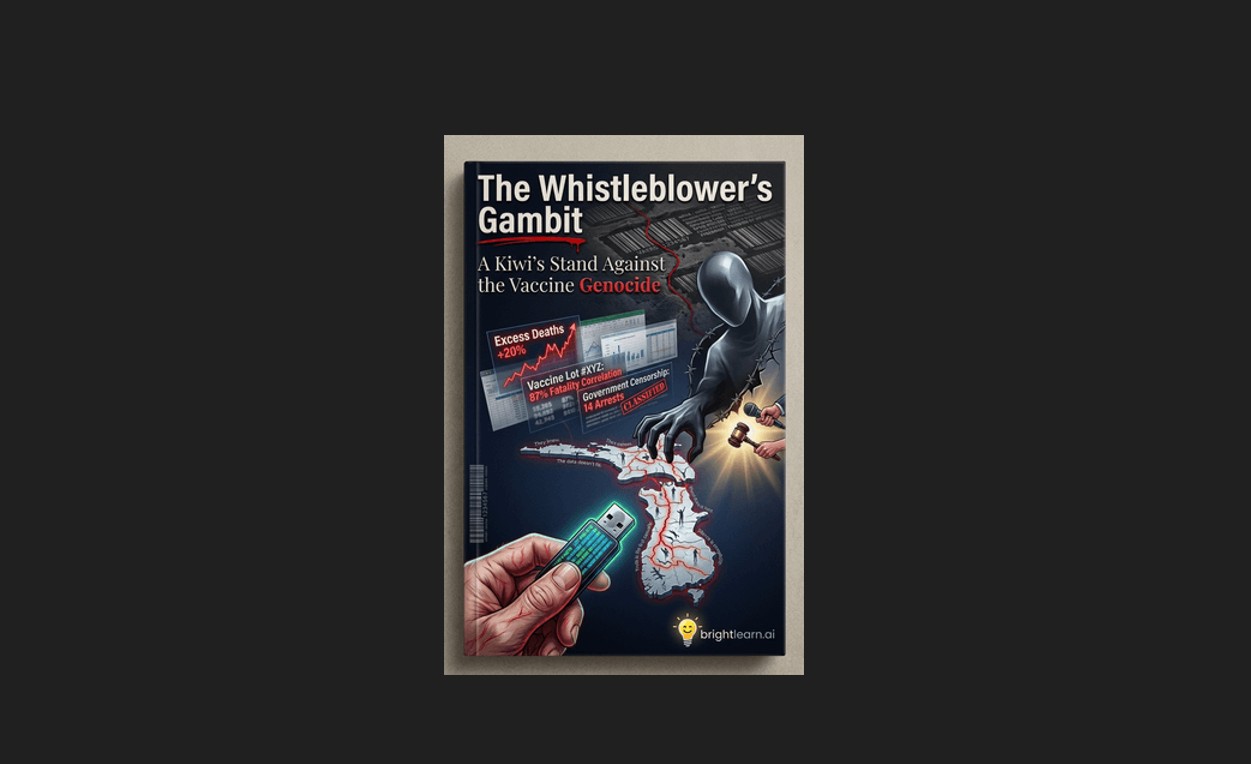
Public health officials often maintain that publishing methodologically flawed studies can mislead the public and erode confidence in vaccination programs. This tension between scientific rigor and transparency is not new. A book on the subject argues that the CDC has historically functioned more as a public relations arm for vaccine manufacturers than as an independent scientific body. [8] The CDC’s recent decision adds to a complex historical backdrop where demands for data disclosure have clashed with institutional gatekeeping of information.
Conclusion
The CDC’s choice not to publish a study on COVID-19 vaccine effectiveness highlights persistent tensions between scientific review processes and public demands for transparency. The agency cited methodological concerns with the test-negative design as its primary rationale. This event occurs amidst historically low public trust in vaccines and ongoing congressional investigations into alleged data concealment by federal health agencies. [9][10]
As debates over vaccine safety and institutional credibility continue, the handling of dissenting or challenging research remains a focal point for critics and defenders of public health policy alike. The outcome of these debates may have significant implications for future pandemic response and the restoration of public confidence in health authorities.
References
- CDC Declines to Publish Study on COVID-19 Vaccine. The Epoch Times. Zachary Stieber. April 23, 2026.
- Trump names Dr. Erica Schwartz as new CDC director despite past support for vaccine mandates. LifeSiteNews. April 20, 2026.
- The Truth About COVID-19. Joseph Mercola and Ronnie Cummins.
- Why the CDC Endorsed the COVID Shots Before T… Mercola.com. July 11, 2023.
- Internal Documents Show CDC Altered COVID Vaccine Study, Raising Questions About Transparency. NaturalNews.com. March 20, 2026.
- CDC, FDA hid stroke risk linked to Pfizer’s COVID booster in seniors, Senate investigation reveals. NaturalNews.com. April 16, 2026.
- Poll: Majority of American Voters Suspect COVID-19 Vaccines Caused Unexplained Deaths. NaturalNews.com. March 17, 2026.
- The Real Anthony Fauci Bill Gates Big Pharma and the Global War on Democracy and Public Health. Robert F Kennedy Jr.
- Sen Johnson says staff untangling Biden ‘coverup’ of COVID vax injuries across millions of files. Just the News. April 7, 2026.
- Less Than Half Of Health Care Workers Received An Updated COVID-19 Vaccine: CDC. ZeroHedge. April 4, 2026.
Submit a correction >>
Tagged Under:
big government, Big Pharma, CDC, covid-19, deception, health freedom, infection, Medical Tyranny, outbreak, pandemic, pharmaceutical fraud, Public Health, research, Suppressed, transparency, Trump, vaccine damage, vaccine efficacy, vaccines
This article may contain statements that reflect the opinion of the author
RECENT NEWS & ARTICLES